
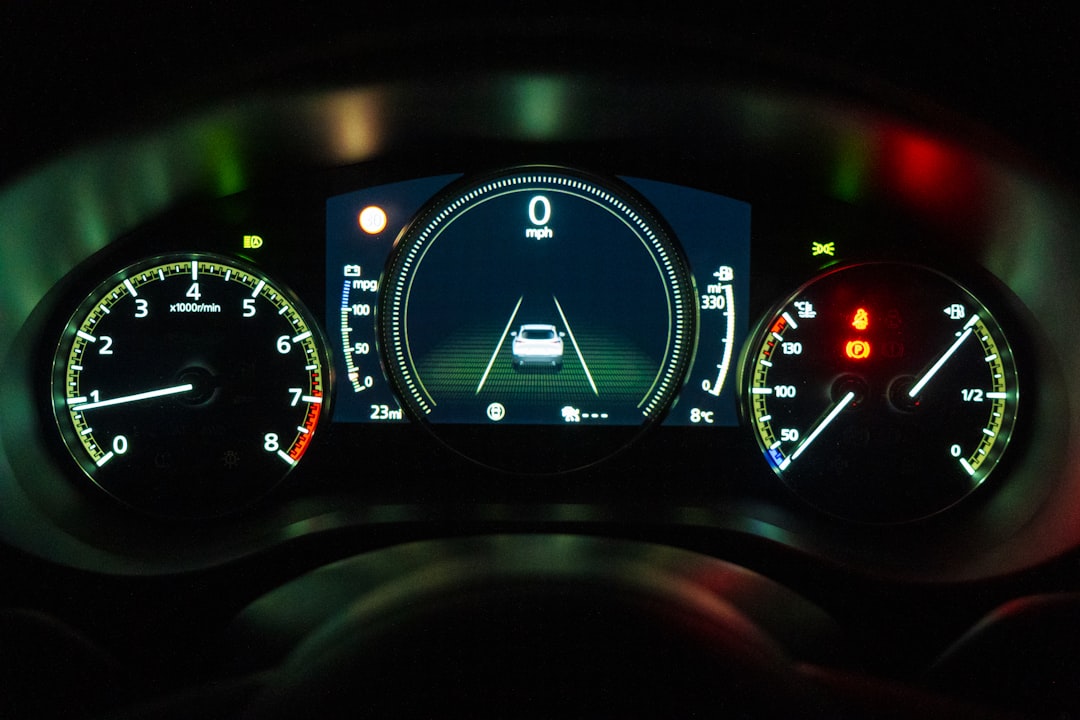
A DPF warning light means the vehicle has detected a problem involving the diesel particulate filter or its regeneration process. It should not be ignored, but the light alone does not tell you whether the filter needs a drive, diagnosis, repair or professional cleaning.
Passive and active regeneration are two ways a vehicle can burn soot from the DPF. Understanding the difference helps you respond safely and avoid replacing parts unnecessarily.
What does the DPF warning light mean?
The diesel particulate filter traps soot produced during combustion. As soot builds up, the vehicle attempts to burn it away through regeneration. A warning may appear when regeneration has not completed, soot loading is rising, or sensor data suggests a fault.
Symbols and instructions vary between manufacturers. Always check the vehicle handbook, particularly if the warning is red, flashing, accompanied by an engine-management light, or the vehicle has reduced power.
What is passive DPF regeneration?
Passive regeneration happens naturally when exhaust temperatures remain high enough for soot to oxidise. This is more likely during a sustained journey with a warm engine, but there is no single speed, distance or journey time that applies to every vehicle.
Frequent short trips, prolonged idling and stop-start use can prevent the engine and exhaust from reaching suitable conditions. Even vehicles used on motorways can develop DPF problems when another engine or sensor fault is present.
When passive regeneration may not complete
- The engine rarely reaches normal operating temperature.
- Journeys end before regeneration conditions are maintained.
- A pressure or temperature sensor gives inaccurate readings.
- EGR, airflow, boost, injector or turbo problems increase soot production.
- Ash has reduced the filter’s usable capacity.
What is active DPF regeneration?
During active regeneration, the engine control system changes operating conditions to raise exhaust temperature and burn trapped soot. The process is automatic. Depending on the vehicle, signs may include a slightly higher idle, cooling fans running, a hot smell or temporarily increased fuel consumption.
If it is safe and practical, avoid switching the engine off while an active regeneration is clearly underway. However, do not continue driving against a handbook warning or when there is overheating, unusual smoke, significant power loss or another serious symptom.
Can a drive clear the DPF warning light?
Some manufacturers recommend a particular driving procedure for an early soot-loading warning. Follow the handbook for your exact model. A generic motorway drive is not a cure for every DPF warning, and repeated attempts can delay diagnosis of an underlying fault.
If the warning stays on, returns soon afterwards or appears with other faults, arrange a proper DPF assessment and diagnosis.
What is a forced regeneration?
A forced or service regeneration is initiated with professional diagnostic equipment. Before it is attempted, a technician should check fault codes, oil level, sensor readings, engine temperature and the calculated soot load. Forcing regeneration without understanding the cause can be ineffective or inappropriate.
During the procedure, exhaust temperatures can become extremely high. It should only be performed by a competent technician in suitable conditions, away from combustible materials.
When professional DPF cleaning may be needed
Regeneration burns soot but cannot remove non-combustible ash. If tests show that the filter is restricted yet structurally suitable for cleaning, professional DPF cleaning may restore usable capacity.
The cause of the restriction must also be addressed. Cleaning a filter while ignoring a failed sensor, thermostat, intake leak, EGR problem, injector fault or unsuitable oil can lead to another blockage.
What should be checked before treatment?
- Stored fault codes and freeze-frame information
- Differential-pressure readings at relevant engine speeds
- Exhaust-temperature sensor readings
- Calculated soot and ash values
- Regeneration history
- Engine temperature and cooling-system operation
- Oil level, oil specification and possible contamination
- Airflow, boost, EGR and fuel-system data where relevant
- Pressure pipes, wiring and connectors
DPF warning lights and the MOT
A diesel vehicle can fail its MOT when an emissions-control warning indicates a malfunction, and a factory-fitted DPF that is missing or has clearly been modified can also lead to failure. DPF removal is not a legitimate repair. Diagnosis and compliant repair or cleaning protect both the vehicle and its emissions system.
How to reduce future DPF problems
- Use the manufacturer-approved low-ash engine oil.
- Keep servicing up to date.
- Investigate warning lights promptly.
- Follow the handbook’s regeneration guidance.
- Allow an active regeneration to finish when safe and practical.
- Do not ignore oil-level rises, coolant loss, unusual smoke or poor running.
Mobile DPF help from DPF-PRO
DPF-PRO provides mobile DPF assessment, diagnosis and cleaning at homes and workplaces across our genuine service regions in the Midlands, Yorkshire, the North West and Bedfordshire. View our areas we cover or use the booking page to arrange help.
If your DPF warning light remains on or keeps returning, call 0333 772 3689. We will assess the vehicle before recommending regeneration, cleaning or further repair.

