
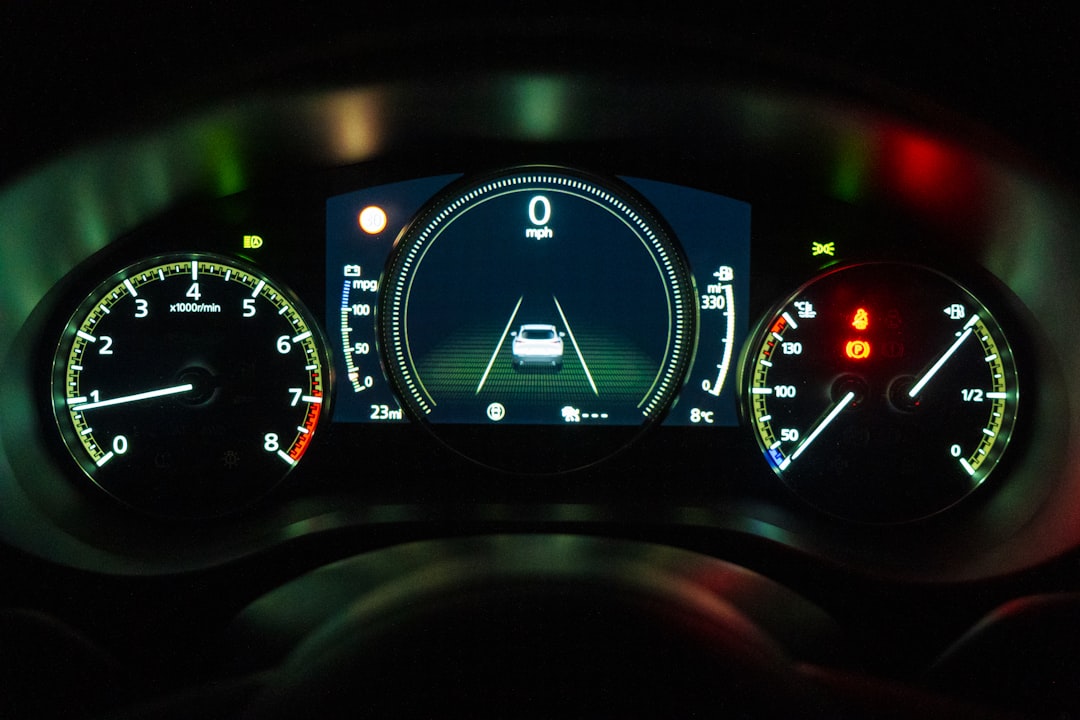
A DPF warning light can mean that soot loading has increased or that the vehicle has been unable to complete a regeneration. It does not tell you, by itself, whether the filter needs a drive, a professional clean or a repair elsewhere in the engine-management system.
If you are in Leeds, use the checks below before attempting to clear the light. When the vehicle is in limp mode, has several warning lights or repeatedly returns to the same fault, a mobile DPF diagnostic assessment in Leeds is normally more useful than guessing.
First, check whether the vehicle is safe to drive
Consult the vehicle handbook because warning symbols and recommended actions vary by manufacturer. Stop and seek professional or breakdown advice if there is a red warning, overheating, abnormal noise, smoke, a very low or rising oil level, or any sign that continuing could be unsafe.
Do not assume that a long or fast drive is harmless. Regeneration raises exhaust temperature. If a sensor, fuelling, turbo, EGR or oil-related fault is present, attempting to force the vehicle through a regeneration may not solve the problem.
When a normal regeneration drive may help
If the handbook specifically recommends a regeneration drive, the DPF light is the only warning, the vehicle otherwise drives normally and there are no safety concerns, following the manufacturer’s instructions may allow the vehicle to complete its normal cycle.
The correct speed, engine speed, gear and duration differ between vehicles. A short burst along the M621 is not automatically enough, and driving harder than the handbook recommends is not a substitute for diagnosis.
When to arrange diagnostics instead
- the light remains on after the handbook’s recommended procedure;
- the vehicle is in limp mode or has lost noticeable power;
- the engine-management or glow-plug light is also illuminated;
- the warning disappears and returns repeatedly;
- regenerations appear unusually frequent;
- the cooling fan runs often after short trips;
- the vehicle has had recent sensor, EGR, injector or turbo work;
- you do not know the current soot loading or why regeneration is failing.
A diagnostic scan should be combined with live readings. A fault code can identify the circuit or condition detected by the ECU, but it does not always prove which component has failed.
Common reasons a DPF warning returns
Repeated short journeys
Stop-start use around Leeds can interrupt regeneration before the exhaust reaches and maintains the required temperature.
A pressure or temperature sensor fault
The ECU relies on sensors to estimate filter loading and control regeneration. Incorrect data can prevent the cycle or make a healthy filter appear restricted.
EGR, airflow, boost or fuelling problems
Engine faults can increase soot production. Cleaning the filter without correcting the cause may provide only temporary relief.
The filter contains ash or contamination
Regeneration burns soot; it does not remove every type of residue. A filter with high ash loading, oil contamination or physical damage may need a different process or replacement.
Regeneration, cleaning or replacement?
The right choice depends on measured loading, fault data, filter condition and the cause of the problem. Our Leeds guide to regeneration versus DPF cleaning explains the difference.
Where an on-car clean is suitable, DPF-PRO uses a diagnosis-first process rather than promising that every warning light can be solved by cleaning. See the full mobile DPF cleaning service in Leeds, including current pricing and coverage.
Information to provide when booking
Have the registration, postcode, current mileage, warning-light history and details of recent repairs ready. Mention whether the vehicle starts, whether it is in limp mode and whether the oil level has changed. Accurate information helps avoid wasted visits.
Book mobile help in Leeds
DPF-PRO attends homes and workplaces across Leeds, subject to availability and a safe place to work. Book online or call 0333 772 3689.

