Seeing the DPF warning light appear on your dashboard can be worrying, particularly if your vehicle has also lost power or entered limp mode.
The light usually means that your diesel particulate filter has accumulated more soot than the vehicle can clear through its normal regeneration process. It does not always mean that the filter needs replacing—but it should not be ignored.
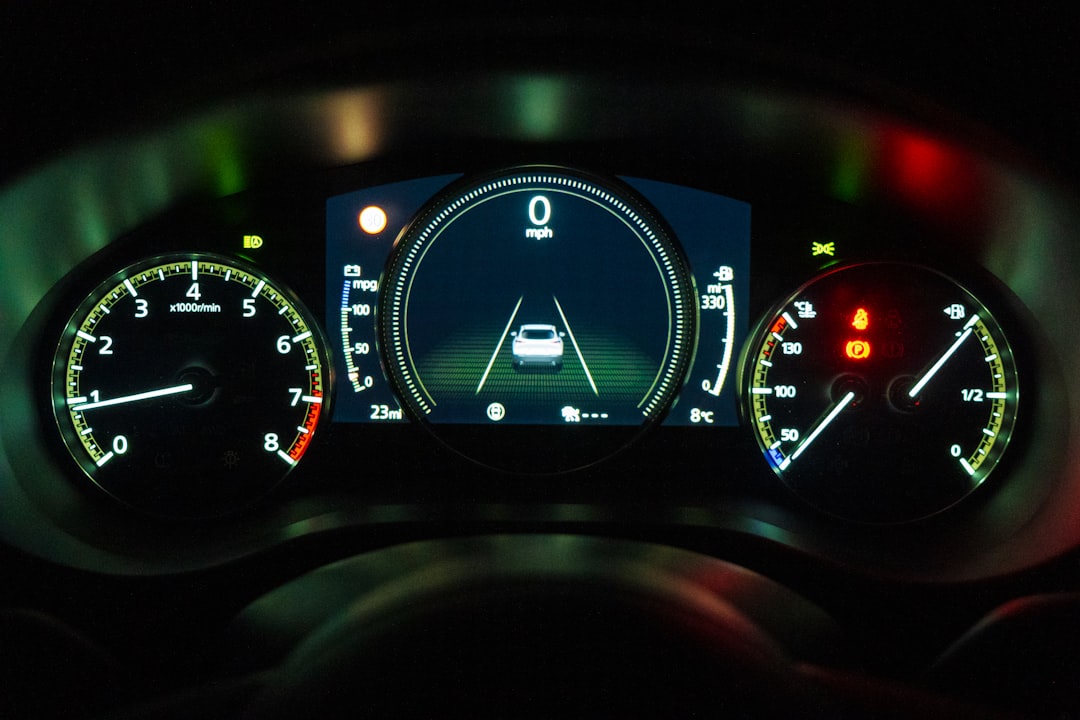
What does the DPF warning light mean?
A diesel particulate filter, commonly called a DPF, is fitted to the exhaust system of modern diesel vehicles. Its purpose is to capture soot before it leaves the exhaust.
Once enough soot has accumulated, the vehicle attempts to burn it away through a process called regeneration. This normally happens automatically when the exhaust reaches the required temperature. If regeneration cannot complete, soot continues to build up and the DPF warning light may appear.
Why has my DPF warning light come on?
Frequent short journeys
Repeated short or low-speed journeys are among the most common reasons for DPF problems. The engine and exhaust may not remain hot enough for long enough to complete regeneration.
Interrupted regeneration
Switching the engine off while regeneration is taking place can prevent the cycle from finishing. If this happens repeatedly, the filter can gradually become blocked. Possible signs that regeneration is underway include a higher idle speed, cooling fans running, increased fuel consumption or a hot smell from the exhaust.
A sensor or engine fault
The DPF light does not necessarily prove that the filter itself is the original problem. Faulty pressure or temperature sensors, injector issues, EGR faults and other engine problems may contribute to excessive soot or prevent regeneration.
This is why proper DPF diagnostics are important. Cleaning the filter without identifying the underlying cause may only provide a temporary result.
Can I continue driving with the DPF light on?
Consult your vehicle handbook first, because the recommended response differs between manufacturers and models.
An initial amber DPF warning may sometimes indicate that the vehicle needs an uninterrupted regeneration journey. However, you should not assume that driving faster or harder will solve every DPF problem.
Arrange professional assistance if the light stays on after following the manufacturer’s instructions, additional warning lights appear, the vehicle loses power or enters limp mode, or you notice excessive smoke, unusual noises or strong smells.
Continuing to drive a badly blocked vehicle can increase the risk of further problems and turn a manageable repair into a more expensive one.
Will a motorway journey clear the DPF?
It can help in some circumstances, but it is not a guaranteed cure. A suitable sustained journey may allow a healthy vehicle with moderate soot loading to complete regeneration. The correct speed, engine speed and journey duration vary, so owners should follow the instructions in their vehicle handbook.
A drive is less likely to help when the filter is heavily blocked, a warning has reached a more serious stage or an engine fault is preventing regeneration. If you are unsure, having the vehicle diagnosed is safer than repeatedly attempting regeneration journeys.
Does the DPF need cleaning or replacing?
Many blocked DPFs can be professionally cleaned, but the correct solution depends on the condition of the filter and the reason it became blocked.
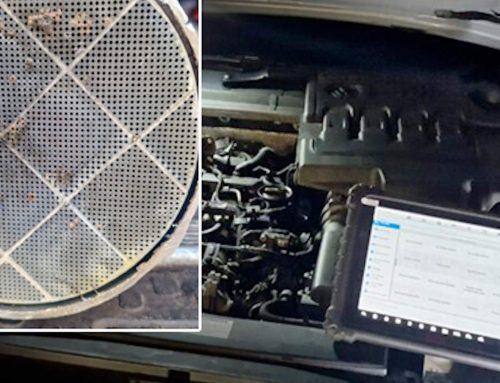
A professional assessment considers stored fault codes, DPF pressure readings, calculated soot and ash loading, exhaust temperature information, sensor operation and related engine or emissions faults. The results help determine whether the vehicle needs further diagnosis, professional cleaning or—in cases involving physical damage—replacement.
Why diagnosis should come before cleaning
A blocked DPF is often the symptom rather than the entire fault. For example, a defective sensor may provide incorrect readings, while an injector, turbocharger or EGR problem may cause the engine to produce excessive soot.
DPF-PRO assesses the vehicle and its diagnostic data before recommending the appropriate course of action. This avoids relying on guesswork and helps reduce the chance of the problem returning. Learn more about our mobile DPF cleaning service.
Is removing a DPF legal?
Removing a DPF from a road vehicle that was fitted with one when manufactured is not a suitable alternative to repair or cleaning. UK government guidance states that a vehicle will fail its MOT if a factory-fitted DPF is missing. Using a vehicle modified so that it no longer meets its original emissions requirements can also make it illegal for road use.
Mobile DPF assessment and cleaning from DPF-PRO
DPF-PRO provides mobile DPF diagnostics and cleaning across the East and West Midlands and other UK service areas. Our specialists come to your home or workplace, assess the warning lights and DPF data, and explain the available options before work proceeds.
If your DPF warning light is on, your vehicle has lost power or you are unsure what a dashboard message means, arrange an assessment before the problem becomes more serious.
Frequently asked questions
Can a DPF warning light turn off by itself?
It may turn off if the vehicle successfully completes regeneration and there are no related faults. If it remains illuminated or returns repeatedly, the vehicle should be assessed.
Does a DPF warning light mean I need a new filter?
Not necessarily. The warning can result from soot loading, interrupted regeneration, a sensor problem or another engine fault. Diagnostics are needed before deciding whether cleaning or replacement is appropriate.
Can a blocked DPF cause limp mode?
Yes. A vehicle may restrict its performance when the engine management system detects excessive DPF loading or another emissions-related fault. This is intended to reduce the risk of further damage.
Dashboard photograph by Nick Fewings via Unsplash.